


Discover Strength-Based Therapy in Upland
When life feels overwhelming, it’s easy to focus on what’s going wrong or what feels broken inside us. But what if I told you there’s a way to shift that perspective? Strength-based therapy methods invite us to look at our strengths, talents, and resilience as the foundation for healing and growth. This approach is gentle, empowering, and deeply hopeful. If you’re exploring ways to improve your mental health or relationships, strength-based therapy might be the supportive path you’ve been searching for.
What Is Strength-Based Therapy?
Strength-based therapy is a positive, client-centered approach that focuses on your unique abilities and resources rather than just your problems or symptoms. Instead of dwelling on what’s “wrong,” this method helps you discover what’s “right” within you. It’s about recognizing your inner strengths, past successes, and personal values to build a healthier, more fulfilling life.
This therapy style is especially helpful because it:
Encourages self-awareness and self-compassion
Builds confidence by highlighting your capabilities
Helps you develop practical coping skills based on your strengths
Fosters hope and motivation for change
Imagine sitting with a therapist who listens deeply to your story, not to fix you, but to help you see the powerful qualities you already possess. That’s the heart of strength-based therapy.

Exploring Strength-Based Therapy Methods
There are several methods used in strength-based therapy, each designed to help you tap into your inner resources. Here are some common techniques you might experience:
1. Strengths Assessment
This is often the first step. You and your therapist will explore your personal strengths, such as creativity, kindness, perseverance, or problem-solving skills. You might be asked to recall times when you overcame challenges or felt proud of yourself. This helps create a clear picture of your unique assets.
2. Goal Setting with Strengths
Instead of setting goals based on fixing weaknesses, you’ll set goals that build on your strengths. For example, if you’re naturally empathetic, you might work on improving communication in your relationships by using that empathy to understand others better.
3. Solution-Focused Conversations
These conversations focus on what’s working well in your life and how to do more of it. Your therapist will guide you to notice small successes and use them as stepping stones toward bigger changes.
4. Narrative Therapy Techniques
You might be invited to tell your story in a way that highlights your resilience and growth. Reframing your experiences can help you see yourself as a survivor and a person with valuable skills.
5. Mindfulness and Strength Awareness
Mindfulness practices can help you become more aware of your strengths in the present moment. This awareness can reduce anxiety and increase your sense of control.
By using these methods, strength-based therapy creates a supportive environment where you feel seen, valued, and capable of change.
How Strength-Based Therapy Can Help You
Whether you’re dealing with anxiety, depression, relationship struggles, or life transitions, strength-based therapy offers practical benefits:
Improved self-esteem: Recognizing your strengths helps you feel more confident and less self-critical.
Better relationships: Understanding your own strengths and those of others can improve communication and empathy.
Resilience: You learn to bounce back from setbacks by relying on your inner resources.
Personal growth: This approach encourages ongoing development and self-discovery.
Empowerment: You become an active participant in your healing journey, not just a passive recipient of treatment.
For example, if you’re a parent feeling overwhelmed, strength-based therapy can help you identify your patience and creativity as tools to manage stress and connect with your children more deeply. Or if you’re in a couple struggling to communicate, focusing on your shared strengths can rebuild trust and understanding.

Finding Strength-Based Therapy in Upland
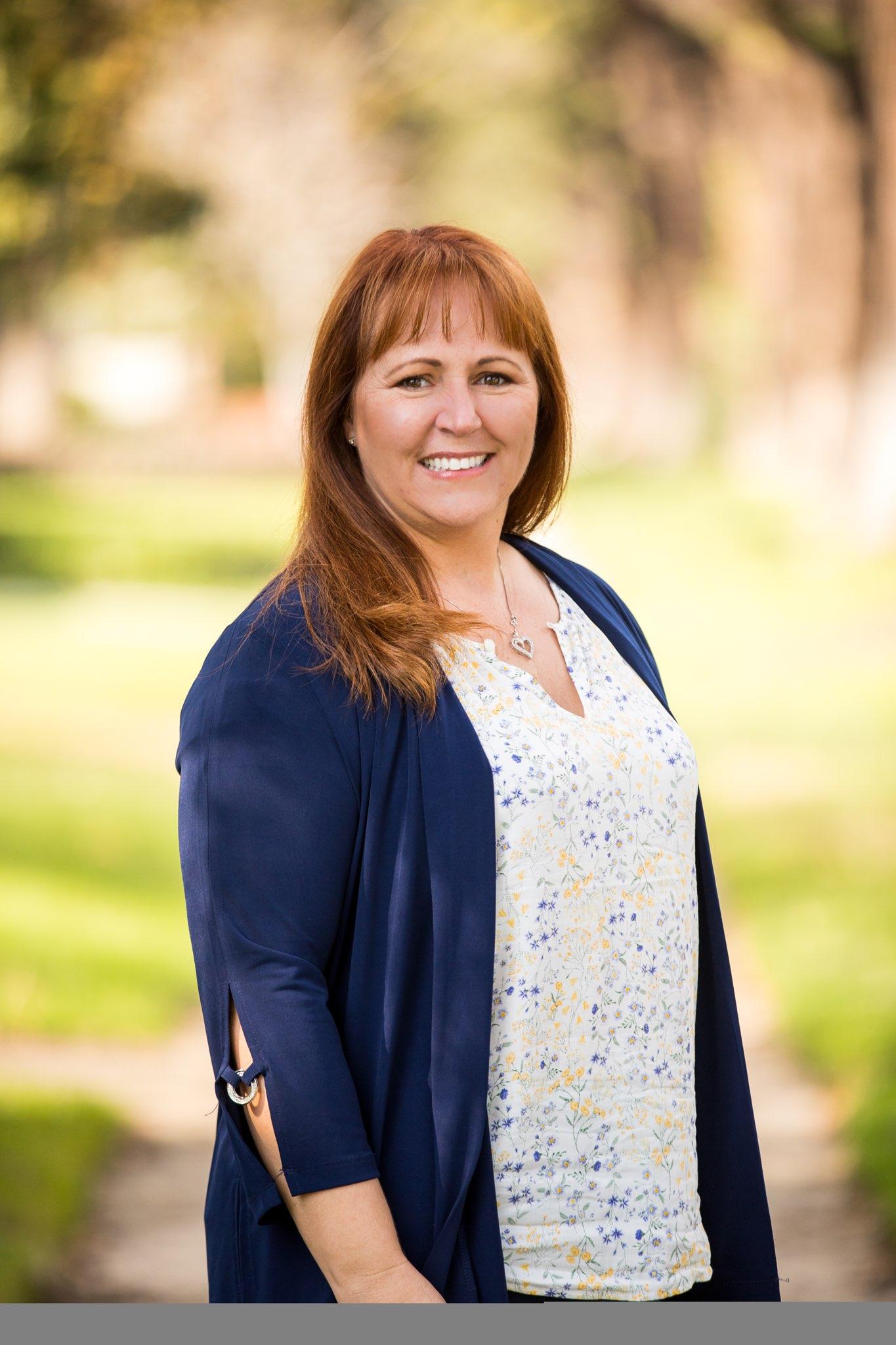
If you’re ready to explore this positive approach, you might wonder where to start. You want to find a compassionate therapists who specialize in strength-based methods. One such professional is Cathy Hayes, LMFT in Upland, who is dedicated to helping individuals, couples, and families discover their strengths and build healthier relationships.
When choosing a therapist, consider these tips:
Look for someone who listens with empathy and respect.
Ask if they use strength-based or positive psychology approaches.
Check their credentials and experience with your specific concerns.
Trust your instincts about whether you feel comfortable and supported.
Starting therapy can feel intimidating, but remember, it’s a brave step toward healing. You deserve a therapist who sees your potential and walks alongside you.
Taking the First Step Toward Growth
If you’re curious about strength-based therapy, here are some simple actions you can take right now:
Reflect on your strengths: Write down three qualities or skills you’re proud of.
Celebrate small wins: Notice moments in your day when you handle challenges well.
Reach out for support: Contact a local therapist who offers strength-based therapy.
Practice self-compassion: Remind yourself that growth is a journey, not a race.
Set a small goal: Choose one strength to focus on this week and find ways to use it.
Remember, therapy is not about fixing what’s broken but about nurturing what’s strong. You have the power to create positive change in your life.
I hope this introduction to strength-based therapy methods has given you a sense of hope and possibility. If you’re in the Upland area and ready to explore this approach, know that support is available. You don’t have to face life’s challenges alone. With the right guidance, you can uncover your strengths and build a brighter future.


Comments