


Exploring Strength-Based Therapy Benefits with Cathy Hayes
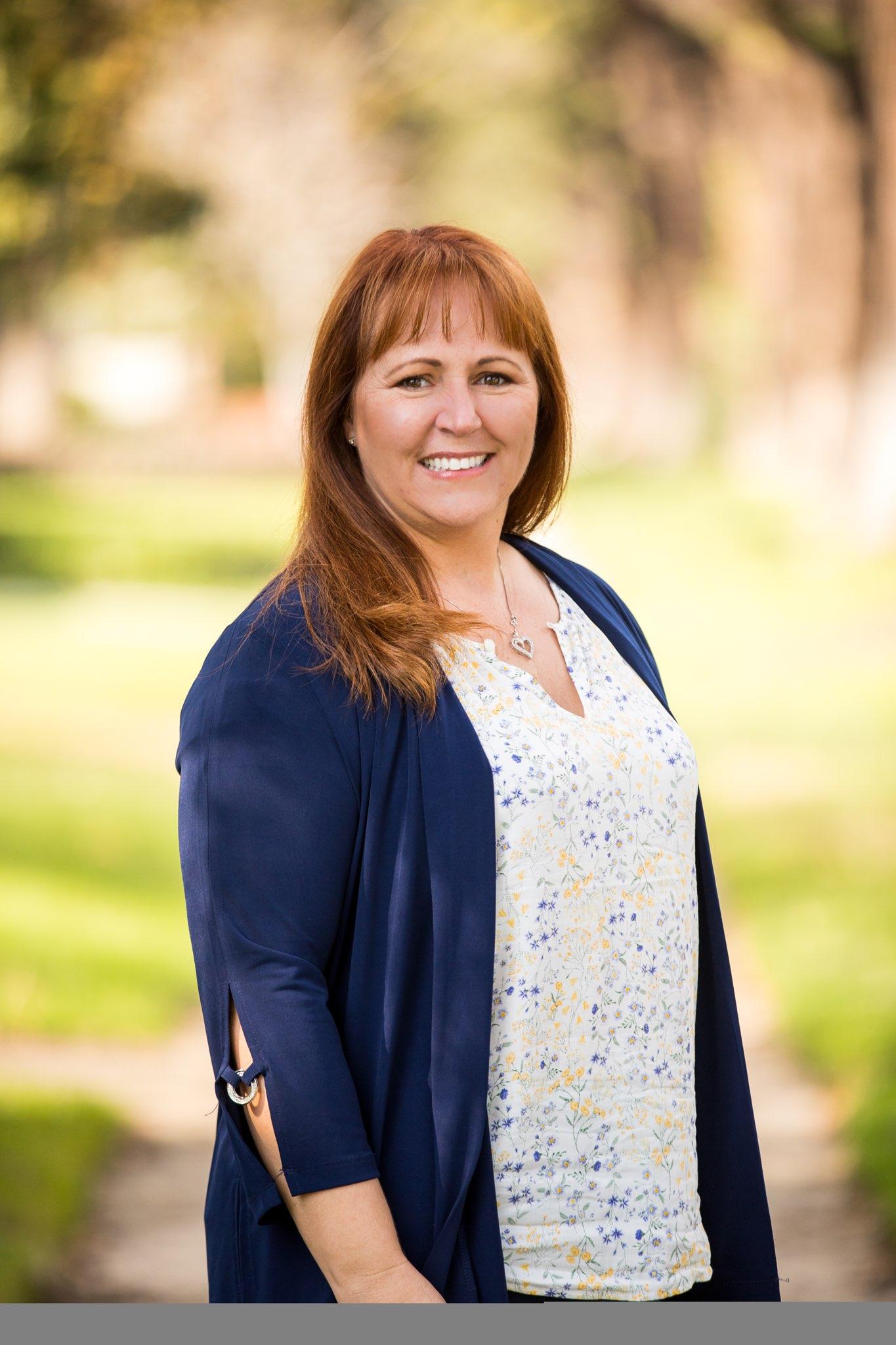
When life feels overwhelming, it’s easy to focus on what’s going wrong. But what if you could shift your attention to what’s going right? Strength-based therapy invites you to do just that. It’s a gentle, empowering approach that helps you discover and build on your inner strengths. I want to share with you how this therapy works and why it might be the supportive path you’ve been looking for.
What Is Strength-Based Therapy?
Strength-based therapy is a refreshing way to approach mental health and relationships. Instead of zeroing in on problems or deficits, it highlights your unique abilities, talents, and resources. This approach believes that everyone has strengths that can help them overcome challenges and grow.
Imagine sitting down with a therapist who listens deeply to your story, not to find flaws, but to uncover your resilience, courage, and skills. This therapy helps you recognize these qualities and use them as tools for healing and change.
For example, if you’ve faced difficult times but still managed to care for your family or keep a job, those are strengths. Strength-based therapy helps you see these as powerful foundations to build on.

Strength-Based Therapy Benefits
One of the most beautiful things about strength-based therapy is how it nurtures hope and confidence. When you focus on your strengths, you start to believe in your ability to handle life’s ups and downs. Here are some key benefits you might experience:
Increased self-esteem: Recognizing your strengths helps you feel more capable and worthy.
Better coping skills: You learn to use your existing resources to manage stress and setbacks.
Improved relationships: Understanding your strengths can improve communication and empathy with loved ones.
Greater motivation: Focusing on what you do well encourages you to set and achieve meaningful goals.
Resilience: You develop a stronger sense of perseverance and adaptability.
For instance, if you’re struggling with anxiety, strength-based therapy might help you identify moments when you felt calm or in control. You can then practice using those moments as anchors during tough times.
If you’re curious about working with someone who specializes in this approach, cathy hayes, lmft upland offers compassionate, strength-focused therapy tailored to your needs.
How Strength-Based Therapy Works in Practice
You might wonder what a typical session looks like. Strength-based therapy is collaborative and personalized. Here’s a glimpse into the process:
Exploring your story: Your therapist listens carefully to understand your experiences and what matters most to you.
Identifying strengths: Together, you discover your personal strengths, such as creativity, kindness, or problem-solving.
Setting goals: You decide what you want to work on, using your strengths as a foundation.
Building skills: Your therapist supports you in developing new strategies and habits that align with your strengths.
Reflecting and adjusting: You regularly review your progress and make changes as needed.
This approach feels like a partnership where your voice is heard and valued. It’s not about fixing you but about empowering you to thrive.

Practical Tips to Embrace Your Strengths Daily
You don’t have to wait for therapy sessions to start focusing on your strengths. Here are some simple ways to bring this mindset into your everyday life:
Keep a strengths journal: Write down moments when you felt proud, capable, or kind. Reflect on what made those moments possible.
Celebrate small wins: Acknowledge even the tiniest achievements. They add up and boost your confidence.
Practice self-compassion: Treat yourself with the same kindness you would offer a friend.
Use positive affirmations: Remind yourself of your strengths regularly. For example, “I am resilient” or “I am a good listener.”
Ask for feedback: Sometimes others see strengths in us that we overlook. Don’t hesitate to ask trusted friends or family.
By weaving these habits into your routine, you’ll gradually build a stronger, more positive self-view.
Finding Support That Resonates with You
Choosing the right therapist can feel daunting, but it’s important to find someone who truly understands and supports your journey. If you’re in Upland, CA, and looking for a warm, encouraging guide, consider reaching out to cathy hayes, lmft upland. She specializes in strength-based therapy and is dedicated to helping individuals, couples, and families develop lasting coping skills and healthier relationships.
Remember, therapy is a safe space where you can explore your strengths and challenges without judgment. It’s a place to grow at your own pace, with someone who believes in your potential.
Embracing Your Journey with Compassion
Life’s challenges can feel heavy, but you don’t have to carry them alone. Strength-based therapy offers a hopeful path forward by focusing on what makes you strong. It’s about recognizing your worth, building resilience, and creating meaningful change.
If you’re ready to explore this approach, take a gentle step today. Whether it’s journaling your strengths, talking to a trusted friend, or reaching out for professional support, every small action counts.
You deserve to feel empowered and supported on your journey. Strength-based therapy can be a beautiful companion along the way.


Comments